


The digital marketplace has revolutionized how we shop, transforming the retail experience from a physical activity to a global, on-demand event. What began as a simple online storefront has evolved into a complex and sophisticated ecosystem that is reshaping consumer expectations, challenging established business models, and creating unprecedented opportunities for entrepreneurs. However, the current state of e-commerce is just the beginning. We are on the cusp of a profound and irreversible transformation, driven by a convergence of groundbreaking technologies that are set to redefine what it means to buy and sell online. The future of e-commerce is not just about faster delivery and better websites; it’s about a seamless, intelligent, and hyper-personalized experience that blurs the lines between the digital and physical worlds. This extensive guide is designed to demystify this revolution, providing a comprehensive roadmap for both consumers and business owners to understand the forces at play, the new technologies that are emerging, and the critical trends that will define the next decade of online commerce.
The Technological Revolution
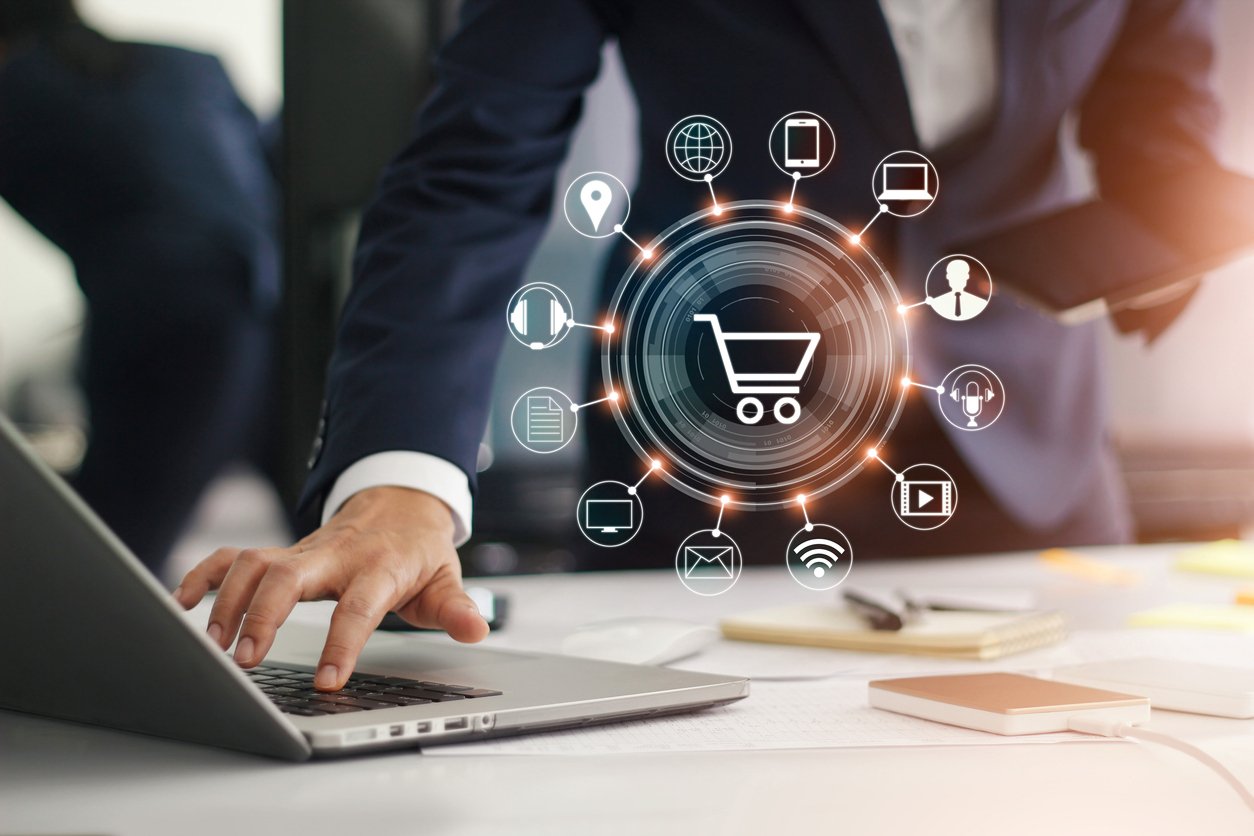
The future of e-commerce is powered by a new generation of technologies that are making the online shopping experience more immersive, intuitive, and personal than ever before. These innovations are moving us away from a transactional model and toward a relationship-based one.
A. Artificial Intelligence (AI) and Machine Learning
AI is the brain behind the new era of e-commerce. It is being used to analyze vast amounts of customer data to create a hyper-personalized shopping experience.
- Personalized Recommendations: AI algorithms can predict what a customer wants before they even know it. By analyzing their browsing history, past purchases, and demographic data, AI can suggest products that are a perfect fit for their taste and needs. This moves the shopping experience from a passive search to a proactive discovery.
- Conversational Commerce: AI-powered chatbots and virtual assistants are becoming the new sales associates. They can answer customer questions, provide product recommendations, and even complete a transaction, all through a simple conversation. This makes the shopping experience more interactive and accessible.
- Fraud Detection and Security: AI is being used to analyze millions of transactions in real-time, identifying unusual patterns that may indicate fraudulent activity. This proactive security measure helps to prevent theft and protect a customer’s financial information, providing a new level of trust and security.
B. Augmented Reality (AR) and Virtual Reality (VR)
AR and VR are bridging the gap between the digital and physical worlds, providing a more immersive and interactive shopping experience.
- Virtual Try-On: AR allows a customer to use their smartphone or computer to “virtually try on” a product, such as a pair of glasses or a new lipstick. This technology reduces the uncertainty of an online purchase and helps to build consumer confidence.
- Virtual Showrooms and Stores: VR is being used to create virtual showrooms and stores where a customer can “walk through” a store, browse a product, and even interact with a virtual sales associate. This technology provides a new level of immersion and a sense of a physical shopping experience, all from the comfort of a home.
- Interactive Product Demonstrations: AR can be used to create interactive product demonstrations that allow a customer to see how a product works in a real-world environment. This is particularly useful for products like furniture or home appliances, where a customer can see how the product would look in their own home.
The New Consumer Experience
The future of e-commerce is not just about technology; it’s about a new consumer experience that is more social, convenient, and built on a foundation of trust.
- A. Social Commerce:Social media is no longer just a place to share photos; it is a powerful platform for commerce. Social commerce is the process of buying and selling products directly through social media platforms, such as Instagram, TikTok, and Pinterest. This new model of commerce is driven by a focus on community, influencer marketing, and the seamless integration of a shopping experience into a social feed.
- B. The Rise of Subscription Models:Subscription commerce is a business model where a customer pays a recurring fee for a product or service. This model is being used in a variety of industries, from beauty and groceries to streaming services and meal kits. The benefits of a subscription model are clear: a steady, predictable revenue stream for a business and a convenient, personalized experience for a customer.
- C. The Importance of Personalization and Data:The modern consumer expects a personalized experience. They expect a business to remember their preferences, to know their size, and to provide recommendations that are a perfect fit for their taste. The future of e-commerce is built on a foundation of data, and businesses that can effectively collect, analyze, and use this data will have a powerful competitive advantage.
The Future of Logistics and Supply Chain
The back-end of e-commerce is as important as the front-end. The future of e-commerce is being defined by a series of innovations that are making the logistics and supply chain more efficient, transparent, and sustainable.




- A. Automated Warehouses and Robotics:Warehouses are being transformed by automation and robotics. AI-powered robots are being used to pick and pack orders, sort packages, and manage inventory. This has led to a significant increase in efficiency, accuracy, and speed, allowing businesses to fulfill orders in a matter of hours.
- B. Drones and Autonomous Delivery:The final frontier of logistics is delivery. Drones and autonomous vehicles are being developed to deliver packages, particularly in urban areas and for a variety of products. This technology has the potential to significantly reduce delivery times and costs, making the e-commerce experience even more convenient.
- C. The Sustainable Supply Chain:Consumers are becoming more conscious of the environmental impact of their purchases. The future of e-commerce is being defined by a push for a more sustainable supply chain. This includes using eco-friendly packaging, reducing carbon emissions, and sourcing products from ethical and sustainable suppliers.
The Challenges and Opportunities
The future of e-commerce presents a series of challenges and opportunities for businesses of all sizes.
- A. The Challenge of Cybersecurity:With our financial lives increasingly moving online, cybersecurity is a top priority. Businesses must invest heavily in advanced security measures to protect their customers’ data and financial information from hackers and thieves.
- B. The Challenge of Platform Regulation:The power of e-commerce giants is a constant source of debate, and governments are grappling with how to regulate them. The future of e-commerce will be defined by a new series of regulations that will address issues such as antitrust, data privacy, and a platform’s liability for the products that are sold on its site.
- C. The Opportunity for Small Businesses:The future of e-commerce is not just for the giants. The availability of low-cost, user-friendly e-commerce platforms has made it easier than ever for small businesses to start and grow an online store. The key is to find a niche, build a strong brand, and develop a relationship of trust with your customers.
Conclusion
The future of e-commerce is not a linear progression; it is a profound and irreversible transformation that is redefining how we buy and sell. The traditional retail model is being systematically replaced by a seamless, intelligent, and hyper-personalized digital ecosystem that is powered by a new generation of technologies. This revolution is creating a world where AI-powered chatbots are the new sales associates, where virtual showrooms are the new physical stores, and where a consumer’s entire shopping experience is a highly personalized and convenient event.
The impact of this transformation is profound and far-reaching. It is empowering consumers with a new level of choice, convenience, and transparency, and it is forcing businesses to be more customer-centric, innovative, and sustainable than ever before. The journey to a new era of e-commerce is not without its challenges, particularly in the areas of cybersecurity, platform regulation, and supply chain management. However, the trajectory is clear and irreversible.
Ultimately, the future of e-commerce is a win-win for both the consumer and the business. It is a future where the shopping experience is more engaging, more intuitive, and more personal. For businesses, it is a future of unprecedented opportunity, but it is a future that will reward those who are proactive, innovative, and focused on building a relationship of trust with their customers. The time to embrace this revolution is now, and your future self will thank you for it.