


In the crowded and competitive world of commerce, a great product or service is only half the battle. The other half, and arguably the more critical one, is a strategic and effective marketing plan. For a small business, this challenge is particularly acute. With limited resources, a smaller team, and a need to compete with much larger corporations, a small business owner must be smarter, more creative, and more targeted in their marketing efforts. The traditional approach of a simple advertisement or a flyer in a local newspaper is no longer enough. The digital landscape has fundamentally rewritten the rules, creating a world of unprecedented opportunity for small businesses to reach their customers directly, build a powerful brand, and drive sustainable growth. This extensive guide is designed to demystify the art of marketing for a small business, providing a comprehensive roadmap for how to build a marketing strategy that is not only effective but also low-cost and high-impact. We will delve into the critical areas you must master, from defining your brand and finding your audience to leveraging the power of digital marketing and building a community of loyal customers.
The Foundation
Before you can start marketing, you must have a clear understanding of who you are, who you are talking to, and what you are saying. This foundational work is the bedrock of any successful marketing plan.
A. Defining Your Brand Identity
Your brand identity is more than just a logo and a name. It is the core set of values, beliefs, and emotions that your business represents. Your brand should be a reflection of who you are and what you stand for. It should be unique, authentic, and memorable. You can define your brand by asking yourself:
- What is your mission? What problem are you trying to solve?
- What are your values? What do you believe in?
- What is your tone of voice? Are you serious, playful, or professional?
- What is your visual identity? Your logo, your color palette, and your typography.
B. Identifying Your Target Audience
You cannot sell a product to everyone. The key to effective marketing is to identify your target audience—the specific group of people who are most likely to buy your product or service. By understanding your target audience, you can tailor your marketing message to their specific needs, pain points, and desires. You can identify your target audience by:
- Creating a customer persona: A semi-fictional representation of your ideal customer.
- Conducting market research: Use surveys and interviews to learn about your customers’ demographics, interests, and behaviors.
- Analyzing your existing customer base: Who are your most loyal customers? What do they have in common?
C. Crafting Your Unique Value Proposition (UVP)
Your unique value proposition is a clear and concise statement that explains what makes your business unique and why a customer should choose you over a competitor. It should explain the benefit of your product or service and how it solves a specific problem for your target audience. A strong UVP is the heart of your marketing message.
Digital Marketing
The digital landscape has democratized marketing, creating a world of low-cost and high-impact channels that are accessible to a small business. A digital marketing strategy is no longer optional; it is essential for survival and growth.




- A. Search Engine Optimization (SEO):SEO is the process of optimizing your website to rank higher in search engine results. When a potential customer searches for a product or service that you offer, you want your website to appear at the top of the search results. SEO is a long-term strategy that requires a commitment to:
- Keyword research: Identifying the words and phrases that your target audience is using to search for your product.
- On-page optimization: Optimizing your website’s content, title tags, and meta descriptions to be more relevant to your keywords.
- Content marketing: Creating high-quality, valuable content that is relevant to your target audience.
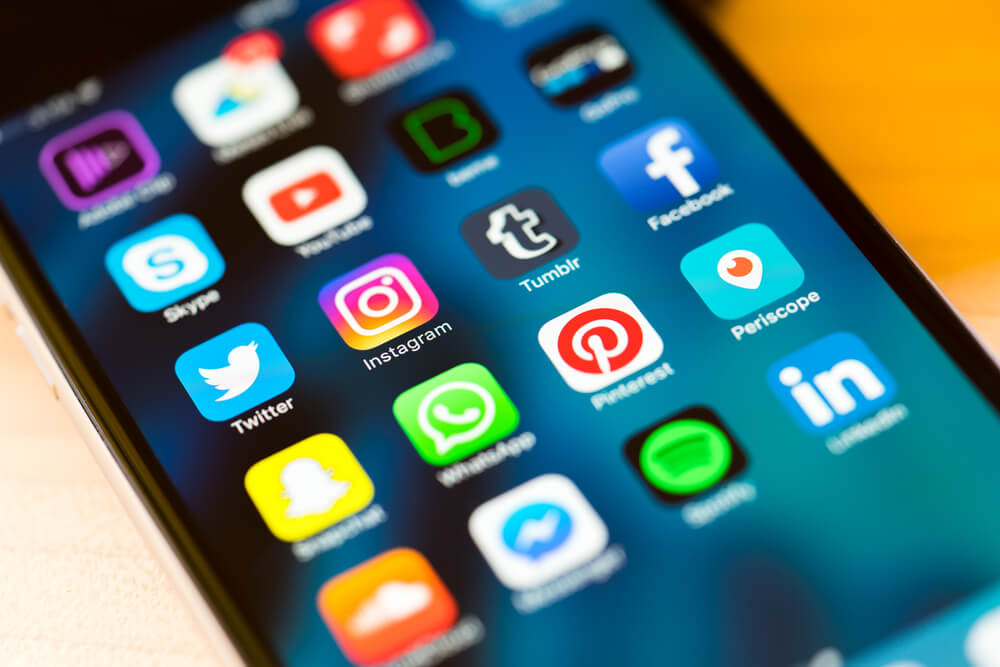
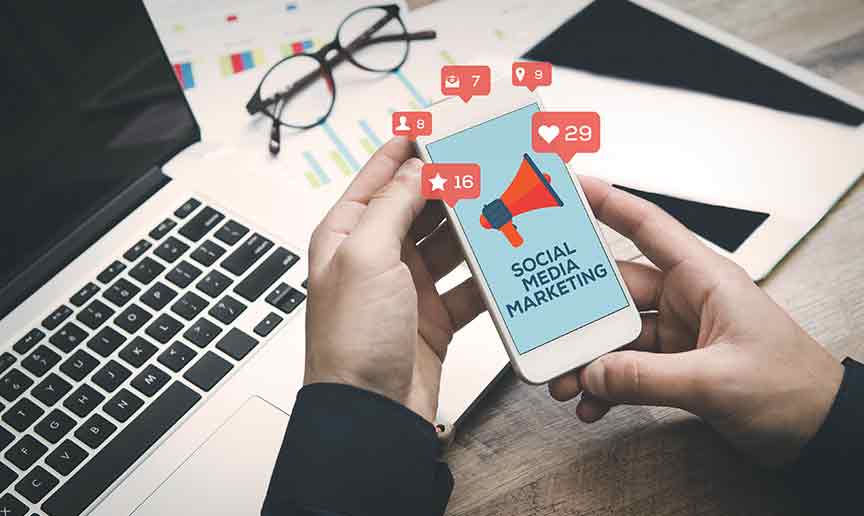
- B. Social Media Marketing:Social media is an invaluable tool for building your brand, connecting with your customers, and driving traffic to your website. You should choose the social media platforms that are most relevant to your niche and consistently post high-quality, engaging content. The goal is to build a community of loyal followers who are interested in your brand and your products.
- C. Content Marketing:Content marketing is a strategic approach to creating and distributing valuable, relevant, and consistent content to attract and retain a clearly defined audience. This can include a blog, a podcast, or a YouTube channel. By providing valuable content, you can establish yourself as an authority in your niche and build a relationship of trust with your customers.
- D. Email Marketing:Email marketing is one of the most effective ways to build a relationship with your customers and drive sales. You should build an email list and consistently send out a newsletter with valuable content, new product updates, and special offers. A loyal email list is one of the most valuable assets a small business can have.
- E. Online Advertising:Online advertising, such as Google Ads and Social Media Ads, can be a powerful tool for driving traffic and sales. While it requires a budget, it is a highly targeted form of advertising that can be used to reach a specific demographic and a specific audience. The key is to start with a small budget, test your ads, and scale your investment as you see a return on your investment.
Traditional and Local Marketing
While digital marketing is the future, traditional and local marketing still have a powerful role to play for a small business.
- A. Local Partnerships and Community Events:Building a strong local network is a crucial part of a small business’s marketing strategy. You can partner with other local businesses to cross-promote each other’s products, sponsor a local community event, or host a workshop. These activities build a sense of community and brand loyalty.
- B. The Power of Word-of-Mouth:Word-of-mouth marketing is the most powerful and effective form of marketing. When a customer has a great experience with your product or service, they will tell their friends and family. You can encourage word-of-mouth marketing by providing excellent customer service, building a great product, and asking for customer reviews.
- C. Customer Reviews and Testimonials:Customer reviews and testimonials are the new form of social proof. They are a powerful tool for building trust and credibility with potential customers. You should actively ask for customer reviews and display them on your website and social media channels.
Building Your Marketing Plan
A marketing plan is a living document that outlines your company’s marketing goals, strategies, and financial projections. It is a critical tool for guiding your decisions, measuring your success, and ensuring that you have a clear understanding of your marketing’s trajectory.
- Set Clear Goals: What are you trying to achieve with your marketing? Is it to increase website traffic? To generate more leads? To drive sales? Your goals should be SMART—Specific, Measurable, Achievable, Relevant, and Time-bound.
- Define Your Budget: Your marketing budget should be a reflection of your business’s financial health and your marketing goals. You can start with a small budget and gradually scale your investment as you see a return on your investment.
- Choose Your Channels: Don’t try to be everywhere at once. Choose the marketing channels that are most relevant to your target audience and that provide the greatest return on your investment.
- Measure Your Results: Marketing is a game of data. You should track your results, analyze your data, and use it to make smart, data-driven decisions that will help you grow your business.
Conclusion
For a small business, marketing is no longer an optional task; it is an essential and ongoing process that is fundamental to survival and growth. In a digital landscape where the rules are constantly being rewritten, a small business owner must be more strategic, more creative, and more targeted in their marketing efforts. The journey begins with a solid foundation: defining your brand, identifying your target audience, and crafting a unique value proposition that sets you apart from the competition.
The power of modern marketing is that it has democratized the playing field, creating a world of low-cost, high-impact channels that are accessible to any business with a great idea and a willingness to work hard. The key is to embrace a mix of strategies, from the long-term power of SEO and content marketing to the real-time engagement of social media and the direct connection of email marketing. These tools, when used with a clear plan and a consistent message, can build a brand that resonates with your customers and drives sustainable growth.
The pitfalls of this journey are real, but they are also avoidable. By being proactive and informed, you can protect yourself from legal risks, build a resilient brand, and create a business that will stand the test of time. The power of the internet is that it has democratized entrepreneurship, and with the right tools and a disciplined approach, you have everything you need to build a successful and profitable small business. The road to financial freedom is a long one, but by taking the first step today and committing to your vision, you are well on your way to creating a life on your own terms. The time to start is now, and your future self will thank you for it.