


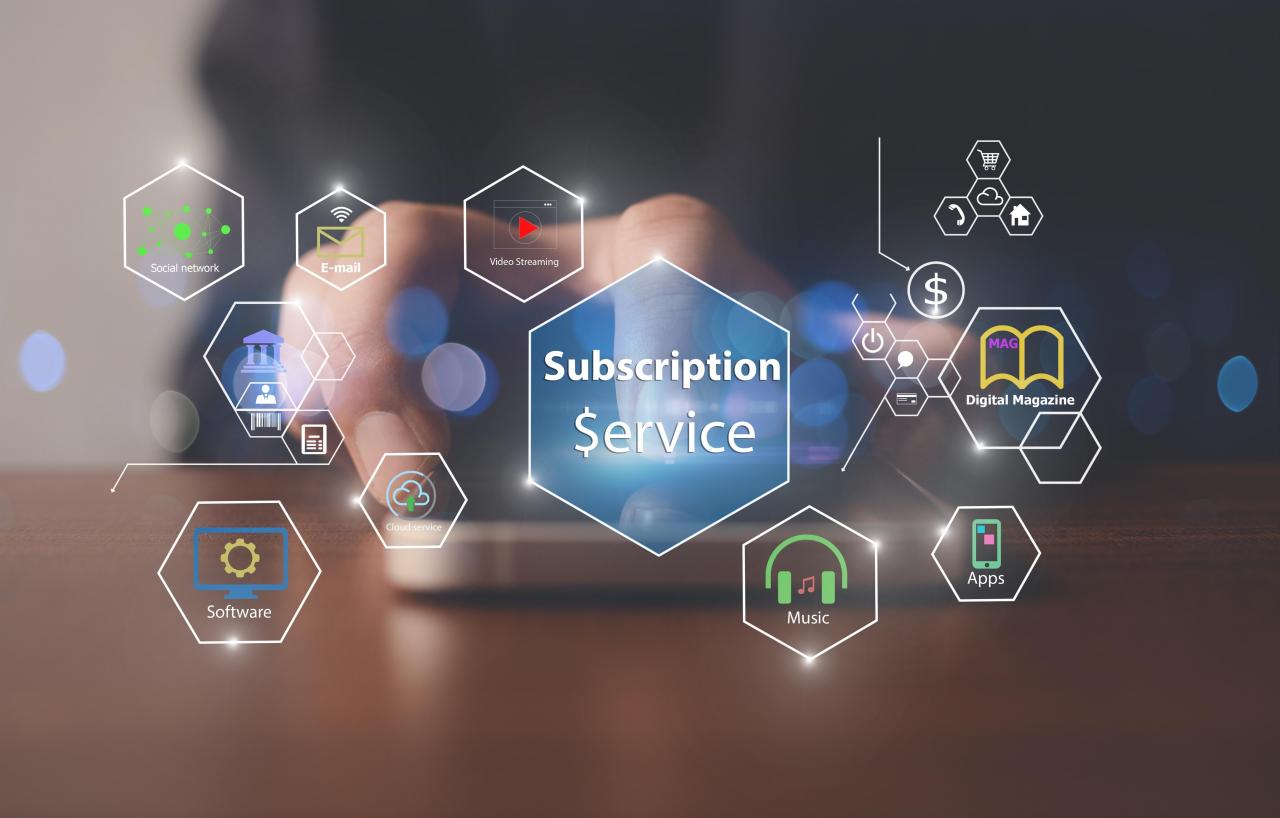
In the modern economic landscape, a profound shift is underway. The traditional model of a single, one-time transaction is being systematically replaced by a new paradigm: the subscription economy. What began with a simple magazine delivery has evolved into a sophisticated, multi-billion dollar industry that is redefining our relationship with products and services. From streaming media and software to coffee beans and meal kits, a growing number of businesses are recognizing the immense power of a recurring revenue stream and the deep customer loyalty that comes with it. For consumers, the appeal is a seamless, convenient, and highly personalized experience that simplifies their lives. This extensive guide is designed to demystify the rise of subscription services, exploring the key factors that have propelled this trend into the mainstream, the diverse models that are emerging, and the profound impact it is having on both businesses and consumers. We will delve into the critical areas you must understand, from the psychology behind a consumer’s decision to subscribe to the strategic roadmap for building a successful subscription business in a crowded market.
The Fundamental Shift

The subscription economy is a direct result of a generational shift in consumer behavior. The modern consumer is no longer solely focused on ownership; they are increasingly prioritizing access, convenience, and a highly personalized experience. This shift has been accelerated by the digital revolution, which has made it easier than ever for businesses to provide a service and for consumers to pay for it.
A. The Psychology of the Subscription
For consumers, the appeal of a subscription is both psychological and financial.
- The Promise of Convenience: A subscription service is built on the promise of convenience. A streaming service provides a library of content on-demand, a meal kit service delivers a meal to your door, and a software subscription provides a seamless and up-to-date service. This convenience simplifies a consumer’s life and saves them time and effort.
- The Feeling of Exclusivity: A subscription often comes with a sense of exclusivity. A subscriber may get early access to a product, a special discount, or a curated collection of items that are not available to the general public. This feeling of being part of an exclusive club can build a powerful sense of brand loyalty.
- The Power of Prediction: A subscription removes the mental burden of a one-time purchase. A consumer knows that a service will be delivered on a regular basis, and they do not have to think about it. This is particularly appealing for products that require a regular purchase, such as a coffee subscription or a box of new razors.
B. The Benefits for a Business
For a business, a subscription model is a powerful tool for building a sustainable and profitable business.
- Predictable Revenue: A recurring revenue stream is a business’s most valuable asset. It provides a level of financial predictability that allows a business to make strategic long-term decisions, from hiring new employees to investing in new technology.
- Customer Loyalty: A subscription service is built on a long-term relationship with a customer. A customer who has a positive experience with a subscription service is more likely to renew their subscription, to recommend the service to their friends, and to become a loyal advocate for the brand.
- Data and Personalization: A subscription service provides a business with a wealth of data about a customer’s behavior, preferences, and needs. This data can be used to create a hyper-personalized experience, to develop new products, and to improve the customer experience, all of which can lead to a significant increase in customer loyalty and revenue.
The Diverse World of Subscription Models
The subscription economy is a diverse and dynamic landscape, with a variety of models that are being used in a variety of industries. The right model for a business depends on its product, its audience, and its goals.
- A. The Curation Model:A curation model is a subscription service that delivers a curated collection of products to a customer on a regular basis. The appeal of a curation model is the element of surprise and the promise of a personalized experience. A subscription box that delivers a curated collection of beauty products, for example, is a prime example of this model.
- B. The Access Model:An access model is a subscription service that provides a customer with access to a library of content or a premium service for a recurring fee. This is the model used by a streaming service like Netflix, a software service like Adobe Creative Cloud, or a fitness app. The appeal of an access model is the promise of a vast amount of content or a premium service for a low, recurring price.
- C. The Replenishment Model:A replenishment model is a subscription service that delivers a product to a customer on a regular basis. This is the model used by a coffee subscription service or a box of new razors. The appeal of a replenishment model is the promise of convenience and the removal of the mental burden of a regular purchase.
- D. The Freemium Model:A freemium model is a business model that offers a basic service for free and a premium service for a recurring fee. This is the model used by a variety of software services and online publications. The appeal of a freemium model is the promise of a free service, which can be a powerful tool for customer acquisition, and the ability to convert a free user into a paying subscriber with a premium service.
The Challenges of the Subscription Economy





While the potential of subscription services is immense, they are not without their challenges. A business that wants to build a successful subscription service must be aware of and address a number of risks.
- A. The Threat of Customer Churn:Customer churn is the rate at which a business loses its customers. For a subscription service, a high churn rate can be catastrophic, as it can lead to a significant loss of revenue. The key to addressing customer churn is to provide a service that is so valuable that a customer cannot imagine living without it.
- B. The Risk of Subscription Fatigue:In a world of a seemingly endless number of subscription services, a consumer can become overwhelmed and apathetic. This is a phenomenon known as subscription fatigue. To address this risk, a business must provide a service that is so unique, so valuable, and so personalized that it stands out from the noise.
- C. The Importance of Onboarding:The first few weeks of a subscription are critical. The onboarding process must be a seamless and intuitive experience that immediately demonstrates the value of the service to a customer. A poor onboarding experience can lead to a high churn rate and a loss of revenue.
The Future of Subscription Services
The future of the subscription economy is being shaped by a series of groundbreaking innovations that are set to redefine our relationship with products and services.
- AI-Powered Personalization:AI will play an even greater role in creating a hyper-personalized experience for a customer. An AI will be able to predict a customer’s needs and preferences and provide a service that is so unique that it is impossible to replicate.
- The Rise of the Bundled Subscription:The future of the subscription economy may be a world of bundled subscriptions, where a consumer can pay a single fee for a variety of services, from a streaming service and a gym membership to a meal kit service and a cloud storage service. This model will provide a new level of convenience and a greater value for a customer.
- The Sustainable Subscription:Consumers are becoming more conscious of the environmental impact of their purchases. The future of the subscription economy is being defined by a push for a more sustainable model, with a focus on using eco-friendly packaging, reducing carbon emissions, and sourcing products from ethical and sustainable suppliers.
- The Subscription as a Service:The future of the subscription economy is a world where a product is not a single transaction but a continuous service. A car, for example, may not be owned but leased as a service, with a subscription fee that includes maintenance, insurance, and a variety of other services.
Conclusion
The rise of subscription services is not just a trend; it is a profound and irreversible transformation that is reshaping our relationship with products and services. The traditional model of a single, one-time transaction is being systematically replaced by a new paradigm that is built on a foundation of convenience, personalization, and a long-term relationship with a customer. For consumers, the appeal is a seamless and intuitive experience that simplifies their lives. For businesses, the benefit is a predictable revenue stream and a powerful tool for building a sustainable and profitable business.
The journey to a successful subscription service is not without its challenges. The threat of customer churn, the risk of subscription fatigue, and the need for a seamless onboarding experience are all significant risks that a business must address. However, the trajectory is clear and irreversible. The businesses that will thrive in the subscription economy are those that are proactive, innovative, and deeply committed to providing a service that is so valuable that a customer cannot imagine living without it.
Ultimately, the subscription economy is a win-win for everyone. It is a future where the customer has a more convenient and personalized experience, and where a business has a more sustainable and predictable revenue stream. The time to embrace this revolution is now, and your future self will thank you for it.