

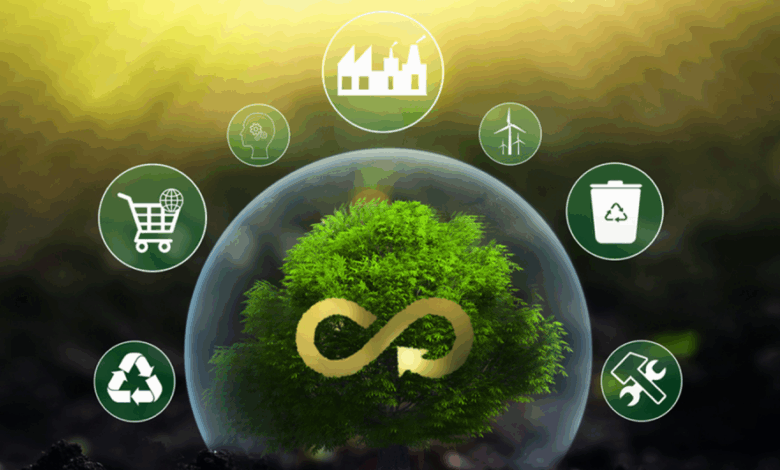
In the modern world, the definition of a successful business has evolved. It is no longer enough to be profitable; a business must also be purpose-driven, socially responsible, and environmentally conscious. The traditional model of a linear economy, where resources are taken, used, and discarded, is no longer viable. In its place, a new and powerful paradigm has emerged: the sustainable business model. A sustainable business is not just a trend; it is a strategic and ethical approach to commerce that integrates environmental, social, and economic responsibility into every aspect of its operations. It is a model that creates value not only for its shareholders but also for its employees, its community, and the planet. Failing to embrace sustainability is a risky proposition, as consumers are becoming more discerning, regulators are becoming more vigilant, and a business’s reputation is increasingly tied to its ethical and environmental practices. This extensive guide is designed to demystify the process, providing a comprehensive roadmap for entrepreneurs and business leaders to build a business that is not only profitable but also resilient, purpose-driven, and a force for good. We will delve into the critical areas you must master, from understanding the “Triple Bottom Line” and integrating sustainability into your core mission to building an ethical supply chain and measuring your impact.
The Triple Bottom Line

The concept of a sustainable business model is built on a foundational principle known as the Triple Bottom Line. This framework, coined by John Elkington in 1994, challenges the traditional view of a business’s success as being measured solely by its financial performance. Instead, it suggests that a business’s success should be measured by its impact on three key areas: People, Planet, and Profit.
A. People (Social Responsibility)
The “People” component of the Triple Bottom Line focuses on a business’s impact on its employees, its customers, and the community in which it operates. A socially responsible business is one that:
- Provides fair wages and benefits: A commitment to paying a living wage and providing a comprehensive benefits package is a core component of a socially responsible business.
- Fosters a positive work environment: A business should create a workplace that is safe, inclusive, and free from discrimination and harassment. It should also provide opportunities for employee development and growth.
- Engages with the community: A business should be an active and positive member of its community, supporting local charities, hiring from the local community, and engaging with local leaders.
- Prioritizes customer well-being: A business should have a clear and transparent commitment to its customers’ well-being, from providing a safe and high-quality product to a fair and honest customer service experience.
B. Planet (Environmental Responsibility)
The “Planet” component of the Triple Bottom Line focuses on a business’s impact on the environment. An environmentally responsible business is one that:
- Reduces its carbon footprint: A business should have a clear and proactive strategy for reducing its energy consumption, its waste, and its carbon emissions. This can include everything from using renewable energy to implementing a recycling program.
- Embraces a circular economy: The traditional linear economy is not sustainable. A business should embrace a circular economy, where waste is minimized and resources are reused and recycled. This can include designing products that are durable and repairable, and using recycled materials in the production process.
- Sources materials ethically and sustainably: A business should have a clear and transparent supply chain, sourcing its materials from suppliers who have a commitment to ethical and sustainable practices.
C. Profit (Economic Viability)
The “Profit” component of the Triple Bottom Line focuses on a business’s financial performance. A sustainable business is, by definition, a profitable one. It must be able to generate a return for its shareholders and to have a long-term, viable business model. A sustainable business is not a non-profit; it is a business that is using its profits to create a positive impact on the world.
Integrating Sustainability into Your Business’s Core DNA
A sustainable business model is not an add-on; it is an integrated and fundamental part of a company’s DNA. It must be a reflection of your business’s core mission, vision, and values.




- A. The Power of a Purpose-Driven Mission:A purpose-driven mission is a clear and compelling statement that explains not just what your business does, but why it does it. It is a mission that is built on a commitment to a social or environmental cause. A purpose-driven mission can be a powerful tool for attracting and retaining top talent, building a community of loyal customers, and driving innovation.
- B. The Supply Chain and Ethical Sourcing:Your supply chain is a critical component of your sustainability strategy. A sustainable business must have a clear and transparent supply chain, sourcing its materials from suppliers who have a commitment to ethical and sustainable practices. This includes ensuring that your suppliers have fair labor practices, a commitment to environmental protection, and a clear and honest track record.
- C. Product Design for Sustainability:The design of a product is a crucial component of its environmental impact. A sustainable business should design products that are durable, repairable, and recyclable. It should also use eco-friendly materials and minimize the amount of waste in the production process. A well-designed, sustainable product can be a powerful competitive advantage.
- D. Marketing and Communication:A sustainable business must be transparent about its sustainability efforts. You should have a clear and consistent message that communicates your commitment to social and environmental responsibility. Your marketing should be authentic and honest, and you should be prepared to back up your claims with data and evidence. The modern consumer is discerning, and they will be able to spot a greenwashing campaign from a mile away.
Measuring and Reporting Your Impact
A sustainable business model is built on a foundation of data. You cannot manage what you do not measure. A clear and transparent reporting system is a crucial component of a sustainable business.
- A. The Global Reporting Initiative (GRI):The GRI is an international organization that provides a comprehensive framework for businesses to report on their sustainability efforts. The GRI framework includes a set of standards for reporting on a variety of social, environmental, and economic issues, from a company’s carbon emissions to its labor practices.
- B. The Benefit Corporation (B Corp) Certification:A B Corp is a for-profit corporation that is certified by a third-party non-profit organization as meeting a high standard of social and environmental performance, accountability, and transparency. The B Corp certification is a powerful tool for a business that wants to communicate its commitment to a sustainable business model to its customers, its employees, and its investors.
- C. Setting Clear and Measurable Goals:A sustainable business should have a set of clear and measurable goals for its social and environmental impact. This can include a goal to reduce its carbon footprint by a certain percentage or a goal to increase its use of recycled materials. A clear set of goals provides a roadmap for a business’s sustainability journey and a way to measure its success.
The Legal and Financial Benefits of Sustainability
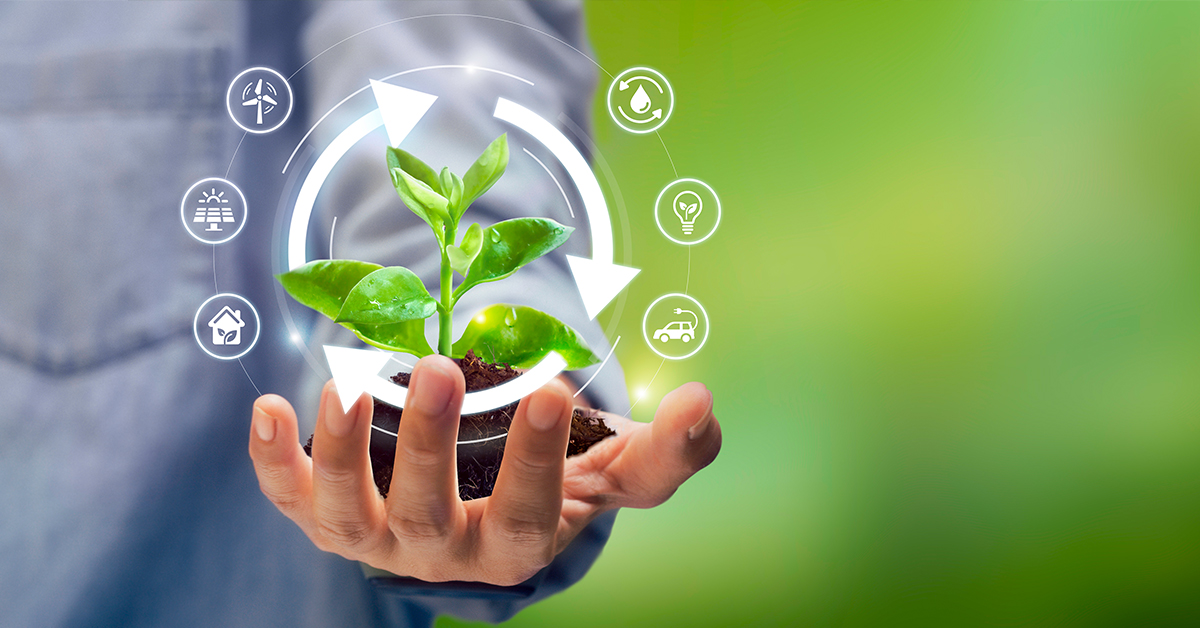
The journey to a sustainable business model is not just an ethical one; it is also a strategic and financial one. A sustainable business is often a more profitable and resilient one.
- A. The Cost of Inaction:The cost of inaction on sustainability is becoming increasingly high. Businesses that are not addressing their environmental and social impact can be subject to a variety of risks, from a loss of customer trust and a damaged reputation to a costly legal dispute and a new government regulation.
- B. The Rise of the ESG Investor:ESG (Environmental, Social, and Governance) investing is a growing trend, with investors increasingly seeking to invest in companies that have a strong commitment to sustainability. A business that has a strong ESG rating can attract a new class of investors, lower its cost of capital, and improve its stock price.
- C. The Power of Innovation:A commitment to sustainability can be a powerful engine for innovation. A business that is focused on reducing its environmental impact or creating a more socially responsible product can often find new and innovative ways to operate, which can lead to a new business model or a new product that can be a powerful competitive advantage.
Conclusion
The future of business is sustainable. The traditional model of a linear economy, where resources are taken, used, and discarded, is no longer viable. In its place, a new and powerful paradigm has emerged, the sustainable business model, which is built on a foundation of a purpose-driven mission, a commitment to social and environmental responsibility, and a relentless focus on creating a positive impact on the world. The journey to a sustainable business model is a profound and irreversible one, a transformation that is reshaping every aspect of a company, from its supply chain and its product design to its marketing and its corporate culture.
The pitfalls of this journey are real, but they are also avoidable. By being proactive and informed, you can protect yourself from a variety of risks, build a resilient brand, and create a business that will stand the test of time. The power of a sustainable business model is that it has the ability to attract top talent, build a community of loyal customers, and drive innovation. It is a model that is not only profitable but also a force for good.
Ultimately, a sustainable business model is a reflection of your commitment to your customers, your employees, and the planet. By mastering the art of a sustainable business, you are not just building a brand; you are designing a legacy that will be remembered for generations to come. The time to start is now, and your future self will thank you for it.